
Aviation Connector Housing
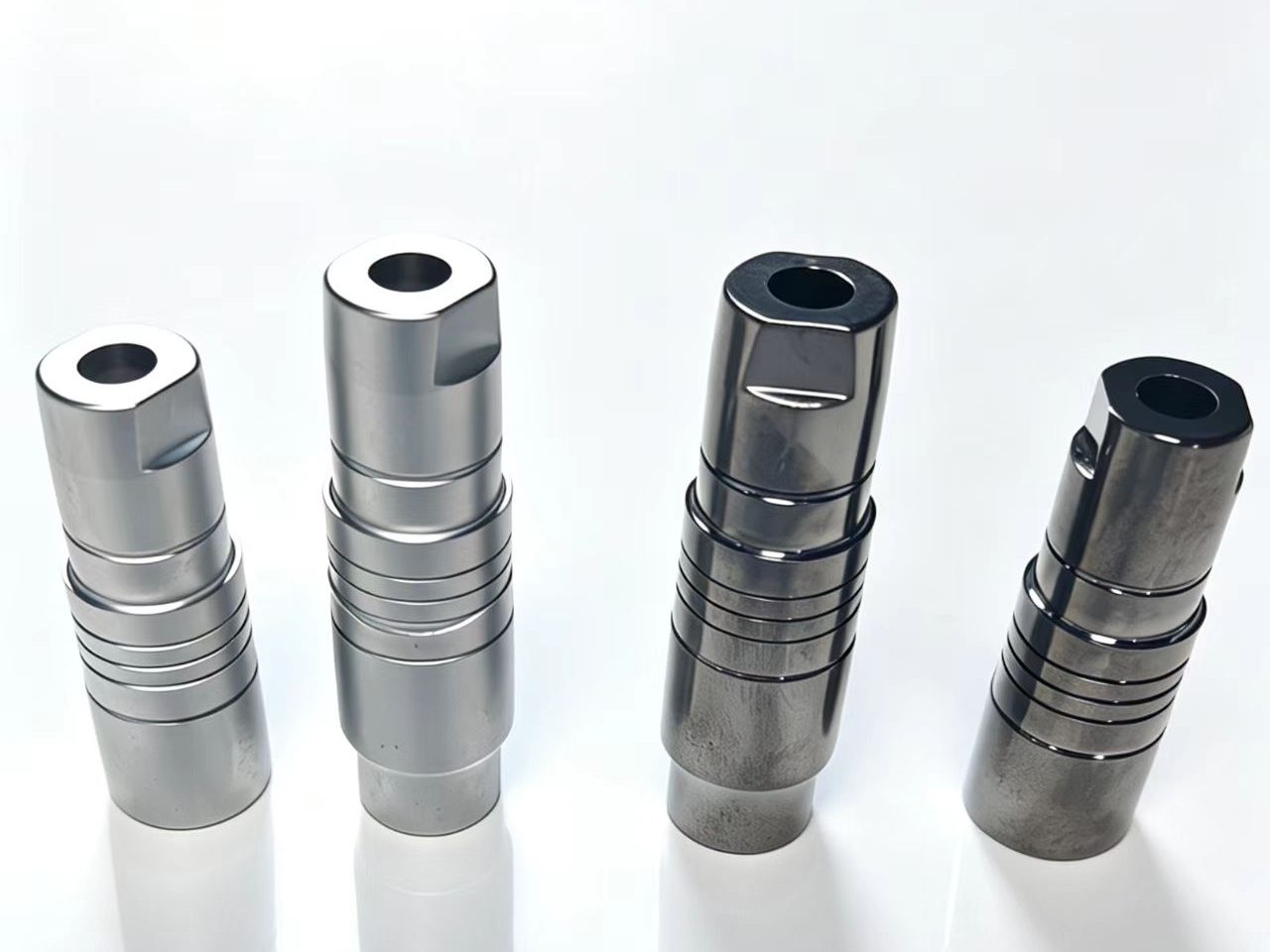
Material: Zinc Alloy Die Casting
Application: Security & Industrial Equipment
Secondary Process: Polishing, CNC Machining
Surface Treatment: Electroplating
Lead Time: 10-15 days
Product Advantages: 1. A cost-down alternative: with copper prices high, zinc alloy die casting replaces turned copper parts — performance is maintained while material and machining cost drop sharply, so copper price swings put less pressure on your quotation. 2. Capacity and delivery: standard lead time 10-15 days, sized for volume programmes — long orders can ship in weekly batches, which lowers your inventory and the cash tied up in stock. 3. Polished then plated, with a clean surface and a stable, even deposit — the housing is the most visible part on the mating face, and uneven plating shows up in appearance and in the feel of the connection, so we control polishing before plating and check again after. 4. One die, one pass, consistent dimensions for long runs — the same tool from first part to last keeps hole positions and the outline from drifting or loosening, so repeat orders need no re-alignment and can run the day they are released.
Overview
The shell of an aviation connector does two jobs at once: it holds the insert square to the mating half, and it survives being plugged and unplugged for years. This housing is cast in zinc alloy, then polished, CNC machined and electroplated, with the thread, the keyway and the pin bores cut after casting so the two halves line up without force.
Typical Applications
Security cameras, access control hardware and industrial control cabinets are where this housing turns up most, usually as the shell that carries a circular multi-pin connector through an enclosure wall. The same zinc casting and plating line runs a luminous data cable housing and an optical module housing, so a device programme that needs both a connector shell and a cable housing can be quoted as one order.
Manufacturing Capability
Housings are cast on zinc machines from 88 to 168 tonnes, then polished, machined and plated. The thread and keyway are cut on a fixture built for the part, and the pin bores are checked for position after plating, because the plated layer moves a bore by a few microns and an insert that sits off centre will not mate. Plating is inspected at the thread crest, where coverage fails first.
Why Work With Xiuhui
Xiuhui has been die casting zinc and aluminum in Dongguan for over 20 years. Connector failures are rarely dramatic: the coupling ring binds on the last turn, the plating blisters inside the shell, or the insert sits a few hundredths off centre. Casting, machining and plating in one shop is how those three get closed out before the parts ship.