
Optical Module Housing
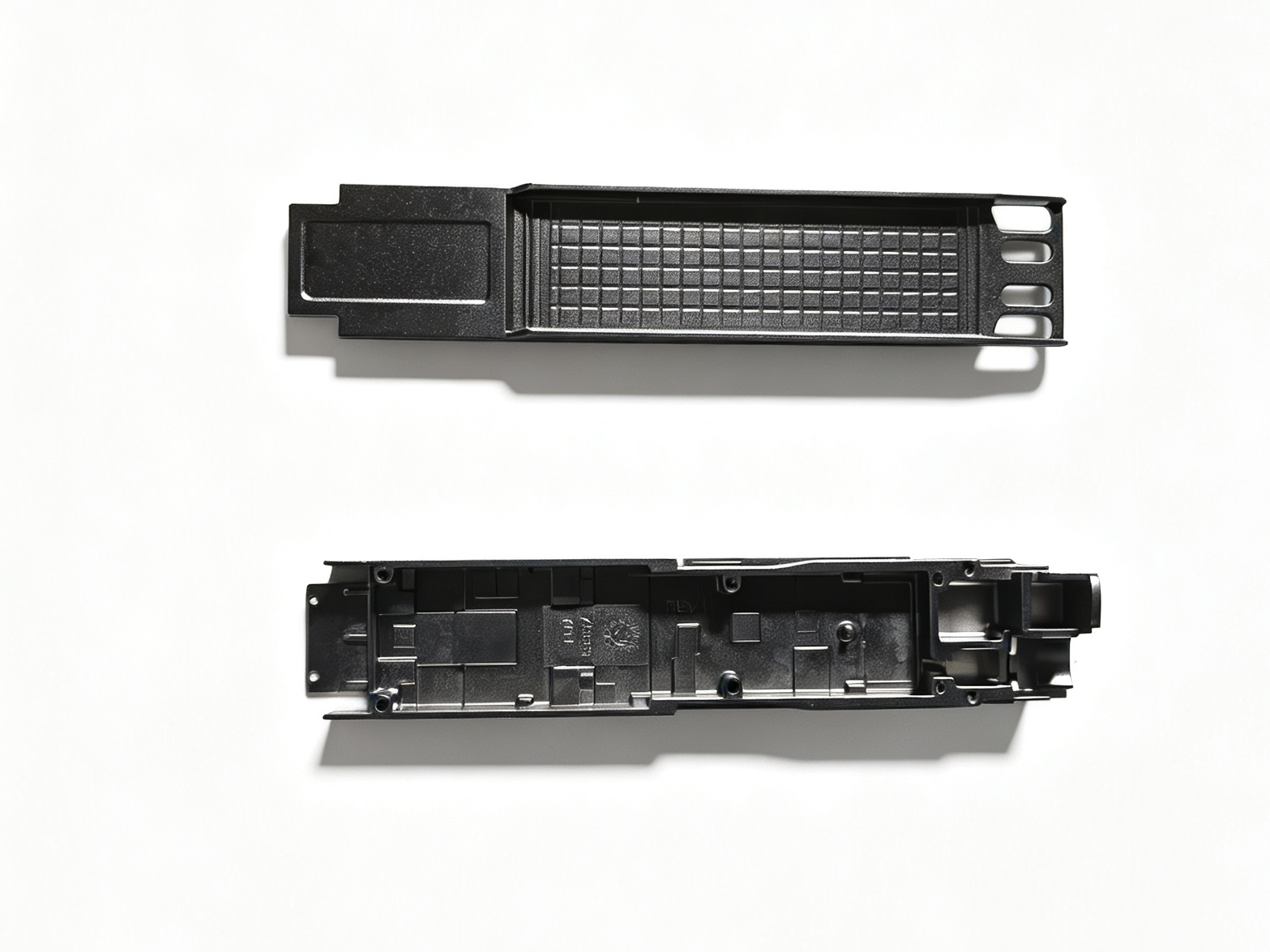
Material: Zinc Alloy Die Casting
Application: Communication Equipment
Secondary Process: Deburring, CNC Machining, Tapping
Surface Treatment: Electroplating
Lead Time: 15-20 days
Product Advantages: 1. Clean surface, even colour — the housing is the part your customer sees first, and colour difference or flow marks are called out immediately. Every batch is checked against the approved sample for shade, gloss and texture, not from memory, so a shift change does not change the look. 2. Even plating with tight, stable dimensions — on this part the metal coating also provides EMI shielding: too thick and the bore closes, too thin and it stops shielding. We rely on process control rather than sorting, and check the interface area and threads after plating. 3. Thin walls formed in one casting, avoiding the waste of machining from solid — gate and venting design reduces local shrinkage difference. Warpage is the real risk on thin-wall parts and has to be controlled at the casting stage; it is very hard to recover later. 4. Deburring and plating on one line, 15-20 days, with colour and plating specification unified per batch — no cross-factory colour matching and no chasing two suppliers’ schedules, so the timeline stays in our hands.
Overview
This optical module housing is die cast in zinc alloy to a thin wall, then deburred, CNC machined, tapped and plated. It is built for optical transceivers and communication equipment that need a shielded metal body with tight dimensional control around the connector interface. Casting the shell close to final shape removes most of the material a machined housing would start from.
Typical Applications
Typical uses include optical transceivers, SFP and QSFP cages, sensor modules and communication equipment housings that need EMI control. Other zinc alloy housings we produce include the Atomizer Metal Housing and the Luminous Data Cable Housing.
Manufacturing Capability
Housings are cast on 88 to 168 tonne zinc machines with walls as thin as 0.6 mm, then deburred, CNC machined and tapped in one flow. Plating does two jobs here: it controls EMI and gives the part its finished appearance. Dimensional control is the hard part on a thin-wall shell, because a small bow becomes a connector that will not seat, so parts are checked against a master sample before packing.
Why Work With Xiuhui
Xiuhui has been die casting zinc and aluminum in Dongguan for over 20 years, and thin-wall zinc housings are one of our main lines. Telecom parts are unforgiving because the interface tolerances are set by someone else’s cage, not by us. Keeping casting, CNC and plating under one roof means a tolerance problem gets fixed inside the process instead of bouncing between suppliers.