
Bluetooth Earphone Housing – Cavity
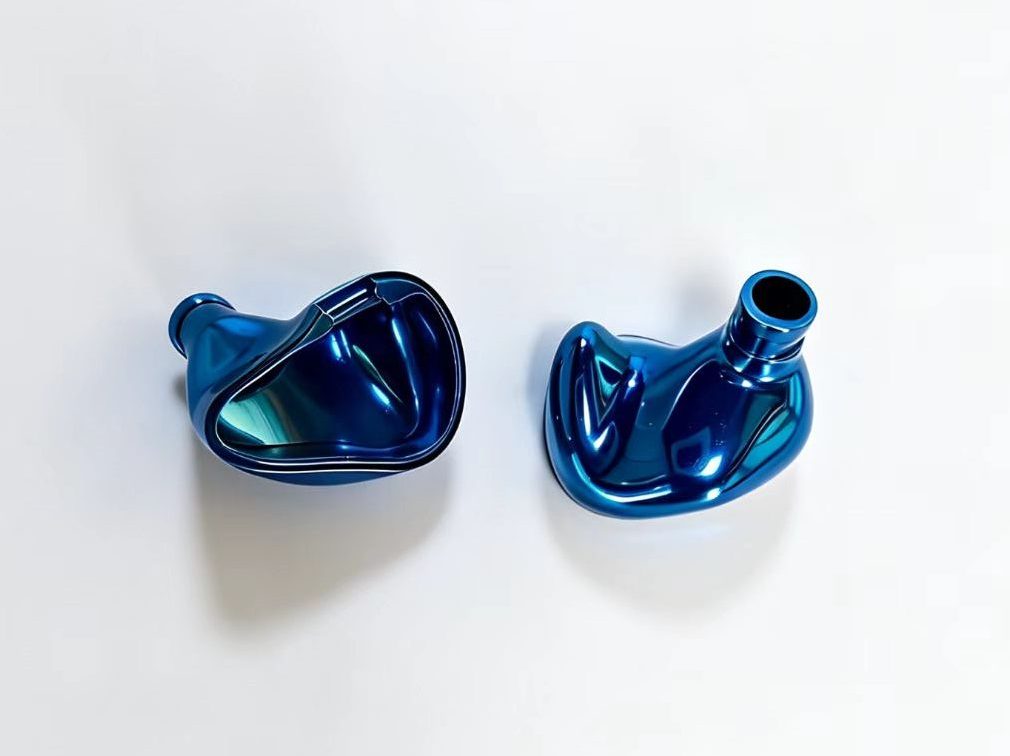
Material: Aluminum Alloy Die Casting
Application: Consumer Electronics
Secondary Process: Deburring, Polishing, CNC Machining
Surface Treatment: Electroplating, Powder Coating
Lead Time: 15-20 days
Product Advantages: 1. Tooling optimised to improve the cast substrate, solving the plating problems of parts that cannot be polished — on irregular surfaces the polishing tool cannot reach, so the substrate has to be clean on its own. This decides whether a shaped part can be plated at all, and no amount of polishing fixes a die that was not designed for it. 2. Surface quality and output rise together — consistency comes from the process rather than from repeated hand finishing, so ramping up production does not mean the first parts are good and the later ones slip, and long orders hold their quality. 3. Aluminium die casting is lighter than zinc, making overall weight and wearing comfort easier to control — weight distribution matters directly to how an earphone feels, and the structure still meets assembly strength, so long wear is less tiring. 4. Made with the front cover at the same plant, with fit and appearance aligned per batch — no sorting at assembly, no back-and-forth colour matching between two suppliers, and problems are easier to trace.
Overview
The cavity half of a Bluetooth earphone housing decides whether the two halves close with a flush seam. It carries the speaker seat, the battery pocket and the screw bosses at the same time, so the walls have to stay flat while the inside stays clean enough to assemble without hand fitting. This one is cast in aluminum, deburred, polished and then plated or powder coated, with CNC reserved for the faces that need a machined datum.
Typical Applications
TWS charging cases, Bluetooth headset bodies and other consumer audio shells where the housing is also the visible surface. The Bluetooth Earphone Front Cover for the same family is cast and finished to the same specification, so the pair can be ordered together. Mixed orders that include an Anodized Aluminum Electronic Enclosure share the same finishing line and colour control.
Manufacturing Capability
The cavity is cast on aluminum machines from 250 to 350 tonnes, with walls held around 1.2 mm where the acoustic chamber allows. Deburring, polishing and CNC are done in house, so the speaker seat and screw bosses are cut on the same fixture that machined the first article. Plating and powder coating are run with our finishing partners against an agreed colour chip, and every batch is checked for sink marks on the outer wall.
Why Work With Xiuhui
Xiuhui has been die casting zinc and aluminum in Dongguan for over 20 years. Earphone shells fail for boring reasons: a 0.1 mm step at the seam, a boss that pulls a sink mark into the visible wall, or a plated surface that changes shade between batches. Casting both halves of the shell in one shop is the simplest way to keep those three things under control.